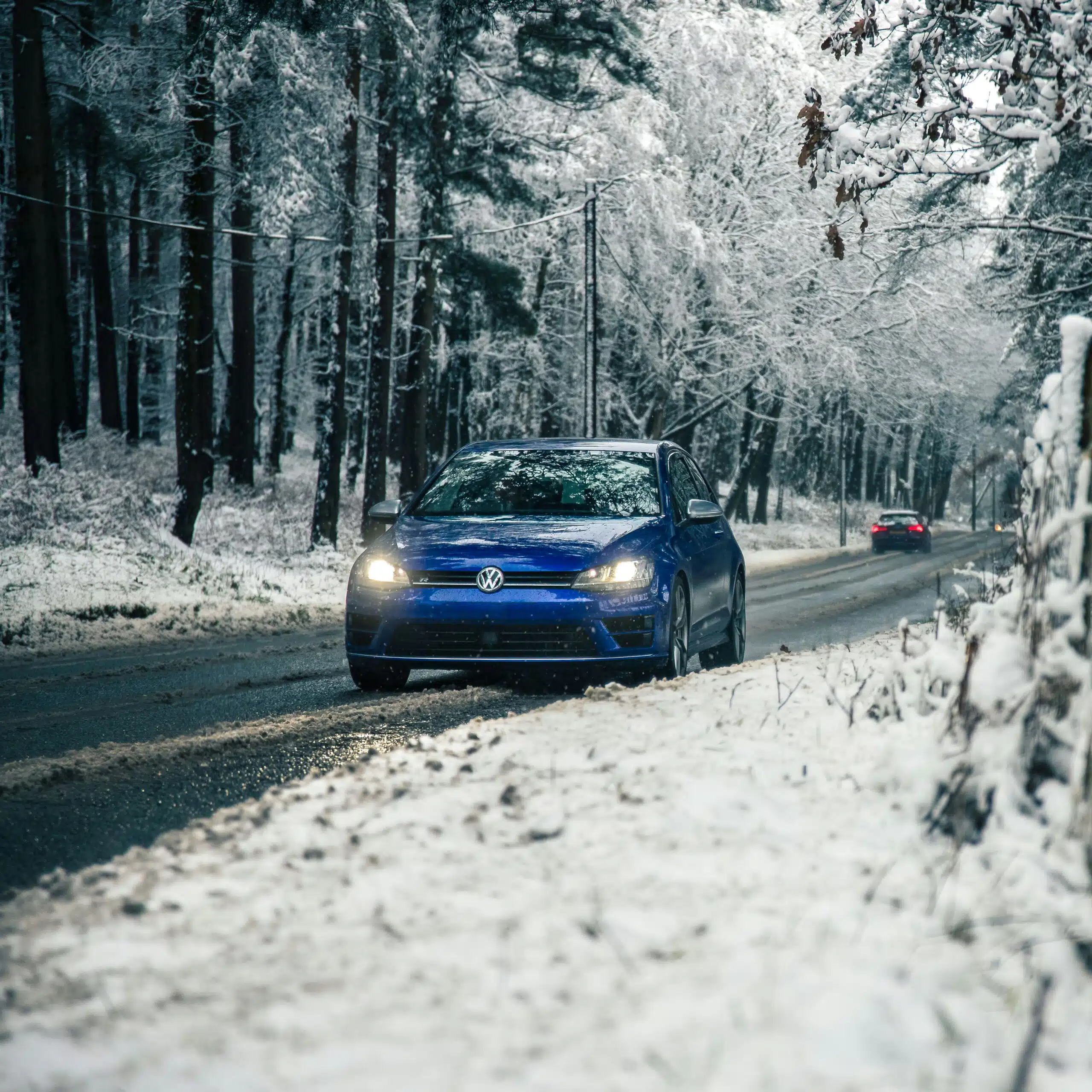
After a very mild December, winter has arrived. Us East Anglians mostly see snow on TV but at the moment we ourselves are scraping ice off windscreens and driving on snowy roads. As a result, we've had enquiries from people concerned about their air suspension so here are a few tips for the current weather conditions...
Cold weather can present challenges in cold weather, especially for retrofit or aftermarket systems. These challenges primarily arise from two factors: moisture freezing inside the system and reduced elasticity of rubber components in low temperatures. Proper maintenance and preparation can help you ensure your air suspension system functions reliably, even in the harshest winter conditions.
Key Challenges and Solutions
1. Moisture Freezing Inside the System
Condensation is a natural by-product of air compression, but in cold weather, any moisture inside your system can freeze, leading to blockages in airlines, valves, and fittings.
How to Prevent Freezing Issues:
-
- Drain the Air Tank Regularly: Water accumulates in the tank over time. Draining it monthly - or more often in humid climates - prevents water buildup that could freeze.
- Add Airbrake Antifreeze: Specifically designed for pneumatic systems, airbrake antifreeze can be added to the airlines to prevent freezing in extreme conditions. This is especially important if your vehicle is used in subzero climates.
- Install a Water Trap, Dryer, or Cooling Coil: Water traps capture condensation before it enters the airlines, while air dryers actively remove moisture. Cooling coils can also help by condensing and collecting water vapor before it freezes. These are effective upgrades to ensure a dry air supply year-round.
2. Reduced Elasticity of Rubber Components
At low temperatures, rubber becomes less elastic, which can impact the flexibility and performance of air bags.
How to Maintain Rubber Components:
- Use Branded, Subzero-Rated Air Bags: Most high-quality branded air bags are rated for temperatures between -30° C and 70° C, making them suitable for year-round use. Choose air bags with these ratings to ensure durability in freezing conditions.
- Inspect Regularly for Damage: Check for cracks, hardening, or brittleness in the air bags and hoses. Catching issues early can save you from unexpected failures in extreme weather.
Air suspension systems are used all over the world. Vehicles like Range Rovers and Bentleys, which often come with factory-installed air suspension, are designed to operate in freezing conditions. Additionally, many buses, lorries, motorhomes, and 4x4s use air suspension in cold environments, such as the Baltic States, Nordic countries, and ski resorts.
The key to reliability in these conditions is proper moisture control and quality components. With regular maintenance, freezing issues can be entirely avoided - even in temperatures as low as -30° C.